Destinations
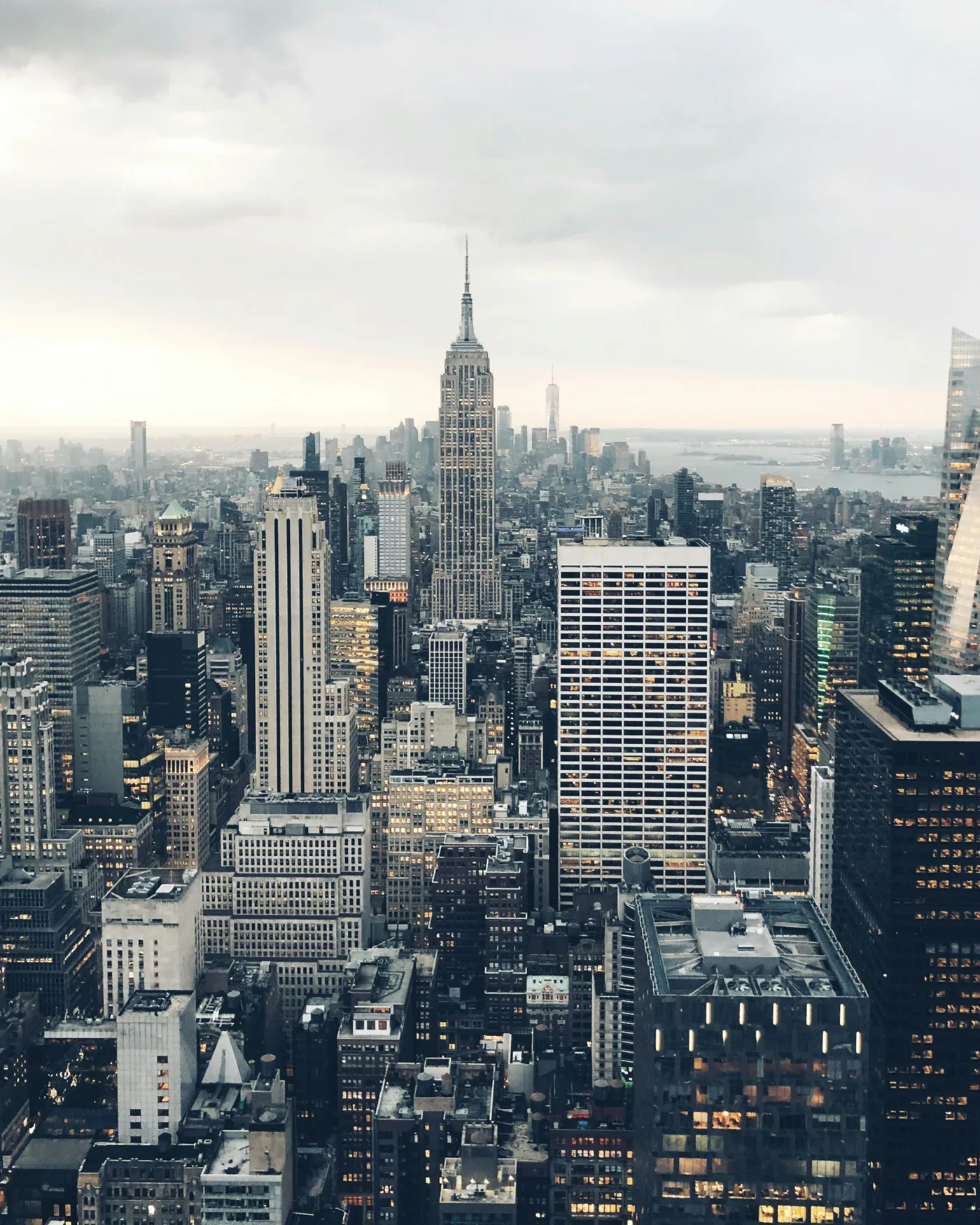
Attracting events to cities and regions, connecting organisers with local opportunities and expertise.
Meet the industry
Behind every business event – conference, exhibition, convention or congress – is a connected industry working together to make it possible.
Attracting events to cities and regions, connecting organisers with local opportunities and expertise.
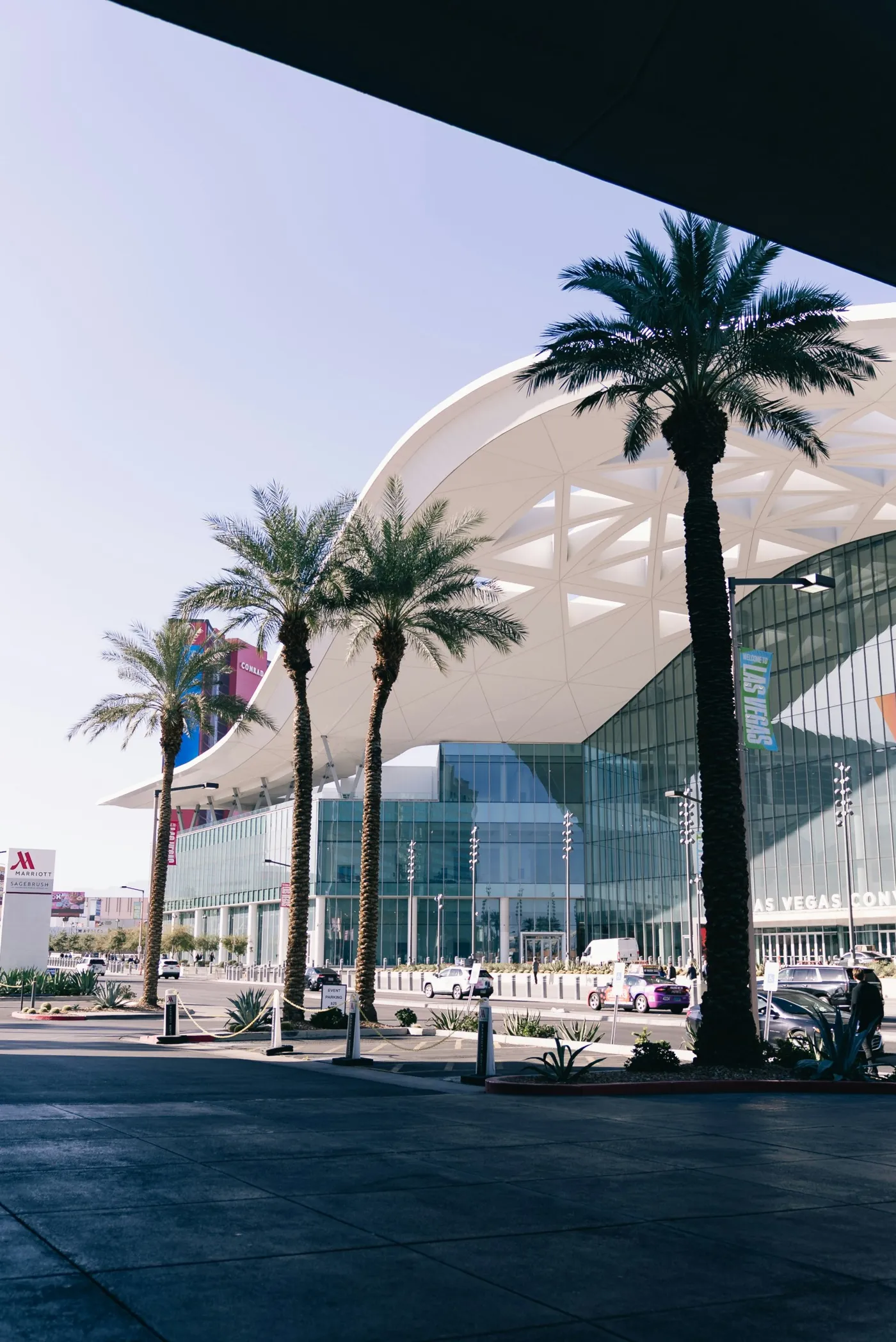
Hosting conferences, exhibitions and congresses in spaces designed to bring people together.
Powering events through technology, production, logistics, transportation, accommodation and specialist expertise that turn plans into reality.
Initiating events, shaping their programmes and coordinating everything needed to bring them to life.
How it all comes together
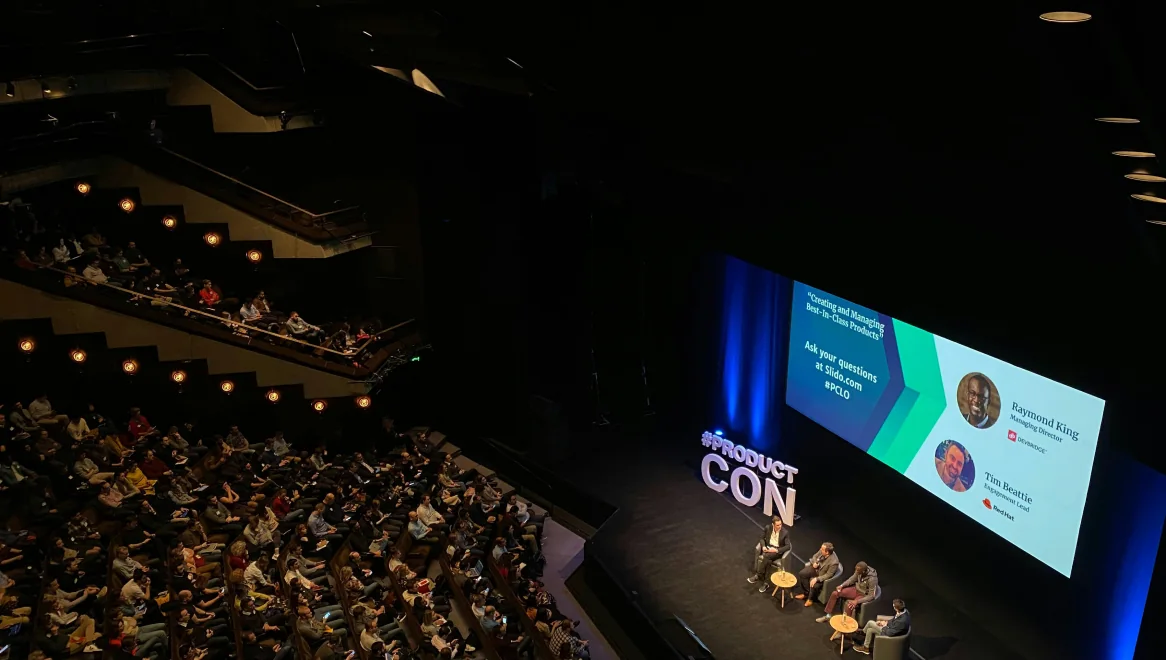
A medical association initiates the congress, working with event professionals to develop the programme and coordinate its delivery.
The host destination helps attract the congress and connects it with local institutions, expertise and infrastructure.
A convention centre provides the spaces and facilities for scientific sessions, exhibitions and professional exchange.
Specialists in technology, production, logistics, hospitality and communication support the event’s delivery.
The bigger picture
Questions & answers
The meetings industry, also called business events, brings people together in person to share knowledge, do business and build relationships. It covers congresses, conferences, conventions, exhibitions and trade shows, corporate meetings and incentive travel, plus the destinations, venues, organisers and suppliers that make them happen. The European Commission refers to it as MICE: meetings, incentives, conferences and exhibitions.
Business events contribute an estimated $1.8 trillion to global GDP and support 24.2 million jobs worldwide (EIC / Oxford Economics, 2025 data). Direct spending reaches $1.3 trillion, from 1.65 billion participants in more than 180 countries. If the sector were a country, it would be the world’s 16th largest economy. See the Impact Sheet for all sourced figures.
Meetings move trade, science, investment and knowledge across borders. Congresses spread research and medical practice, trade shows generate business deals, and events leave lasting benefits in their host cities, from new skills to new partnerships. The Iceberg case studies document what events leave behind beyond the visitor spending.
The terms overlap and vary by region. In general, a congress is a large, regular gathering of an international professional or scientific community, often in a different city each time. A conference is a programme of talks and discussions around a theme. A convention is a gathering of the members of an organisation or sector. The Glossary explains each in more detail.
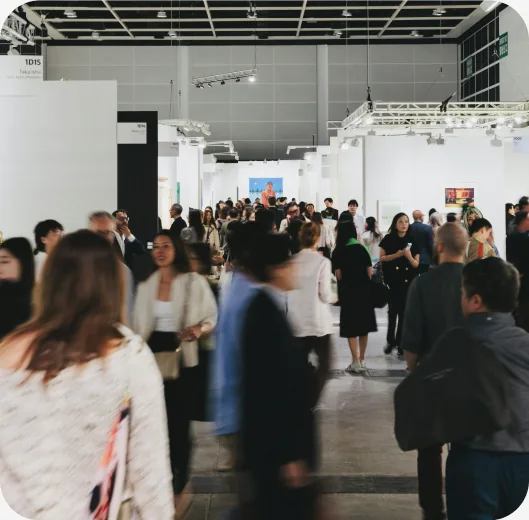
Yes. Exhibitions and trade shows are a core part of the industry: they bring buyers and sellers together to do business, and many run alongside congresses and conferences. Exhibitions draw 318 million visitors and 4.7 million exhibiting companies a year (UFI, 2025 data). JMIC’s members represent both the meetings and the exhibitions side of the sector.
People have gathered to trade and exchange ideas for centuries: Frankfurt’s trade fair received an imperial privilege in 1240, and Leipzig held the first sample fair, the model for today’s trade shows, in 1895. Detroit opened what is widely cited as the first convention bureau in 1896. The modern industry took shape in the 20th century with international associations, purpose-built convention centres and professional organisers. In 1978 its international associations founded JMIC to speak together.
The Joint Meetings Industry Council (JMIC) is the global federation of the meetings and business events industry. Its member associations represent convention centres, congress organisers, exhibitions, destinations, venues and service providers, and speak with one voice to governments and international institutions on shared priorities.
JMIC makes the case for business events to policymakers, publishes the industry’s Global Manifesto, and leads Net Zero Carbon Events, the industry’s climate initiative. It also runs shared tools for the whole sector, including the Industry Calendar, the Research Index and the Glossary, on themeetingsindustry.org.
Through Net Zero Carbon Events, an initiative led by JMIC, nearly 700 organisations from 60 countries have committed to reach net zero emissions by 2050. Signatories measure their emissions, publish a reduction plan and report on progress, using shared guidance for organisers, venues and suppliers. The European Commission cites the initiative as a best practice for carbon-free business events in its 2026 sustainable tourism working document.
The Industry Calendar on themeetingsindustry.org lists the congresses, trade shows and summits of the industry’s associations and partners for the next 12 months, with dates, locations and overlaps. It is free, and any website can embed it.
The Research Index lists the reports and statistics published by the industry’s associations and research partners, from UFI’s exhibition data to ICCA’s international meeting rankings and the EIC’s global economic study. Every report links to its publisher; the headline numbers are on the Impact Sheet.
Our team is just an email away. Whether you need additional information, press materials or have a question about the industry, we’re happy to help.